
Hello, my name is Avil Beckford. I started this initiative called The One Problem, and it's something that's near and dear to my heart. I know that there are tons of problems out there. Why overwhelm yourself? Choose one problem and deal with it. It's a way for us to learn from each other. My special guest today is Tara Hunt. I first learned about Tara 15 years ago, I used to religiously read her blog.
And then I met her through Ellevate Network, maybe 2013, 2014, and I met her again after that, when she was a panelist at a SheEO event. And we have been communicating now and then through LinkedIn. I'd like to turn it over to Tara, who is the founder of Truly Inc. Over to you.
Tara Hunt
Thank you so much Avil. It's so great to be here, and I'm very, very honored to be here, you can hear my dog barking in the background. It's bad timing be very, very honored to be here and to talk about that one problem.
I mean, it was it's been hard for me to think about one problem because I feel like there are so many to tackle. But if I was to want to talk about one problem, it is actually connected to SheEO. And that is really the inequality of opportunity that is given the lumpiness of opportunities where certain members of society already have opportunities, white, male, white, from educated backgrounds and with a lot of privilege already get a lot of benefit of doubt and already get a lot of opportunity.
Interview With Tara Hunt: Making the World a More Equitable Place for Women
The way that I see it and the reason that I joined SheEO and when we connected that time you saw that I'm part of that is because for so many years, advantage has led to more advantages, led to more advantage. And I think what an organization like SheEO has done and what I love about it and why I am so involved in it is that Vicki, who's the founder, decided to start from the from the ground up.
Right. So let's create let's start at a layer and create opportunities for 10 women, 10 women who are founders to grow their businesses and grow their wealth. And then from there, they'll put money back into the organization and more women will join and it'll be, you know, 20 women and then maybe exponentially it grows and grows and grows over the years. So, it's all about coming together and kind of not creating you know the old boys network, which kept giving the opportunities to the same people, the same type of people over and over again.
Have you read or watched?
- The One Problem Interview: Melanie Russell Talks About Partnership Agreements
- The One Problem Interview: Anthea Rossouw, Founder of Dreamcatcher
- Germain St. Denis, Consultant, Change Leadership: The One Problem Interview
- The One Problem Interview: Sandra Lisi, Leadership Coach
- The One Problem: Deena Baikowitz, Business & Career Coach
- The One Problem: Kelli Wingo, The One Problem Interview: Kelli Wingo, KMW Catalyst
- The One Problem: Patricia Roberts,Chief Operating Officer of the Gift of College
- The One Problem: The One Problem: Patti Pokorchak, Small Biz Sales Coach
- The One Problem: Adrienne Harris, Managing Partner, Portage Sales
- The One Problem: Kristy Wallace, CEO Ellevate Network
- The One Problem: Margye Solomon Talks about Aging and Relevance
- The One Problem: Deb Boulanger, Launch Lab for Women Entrepreneurs
- The One Problem: Sharon Horne Ellstrom – Stop Being Like Others, Be YOU
- The One Problem: Liz Kitchell from SheMoolah Talks Money Conversations
- The One Problem: Avil Beckford, Author of Digest 30 Books in 30 Days
- The One Problem: Interview With Kelly Daring, Author of Is Love Enough
Tara Hunt
It's not like a new women's or new girls network, but what it really is about is about leveling the playing field, generation after generation, I think a lot of us think about inequality, and we want to tackle it like overnight head on. And, you know, unfortunately, it has been generations and generations of inequality becoming worse and worse. So we need to start from creating generations upon generations upon generations to solve inequality going forward.
So, I'm proud to be part of SheEO, but I also spend a lot of time and effort mentoring young women, young black women, young and old age women, black women, native women, women of color, trying to give my time, introduce and also put money into projects to create more opportunities. I try to buy from women owned businesses, especially black and indigenous owned businesses, just to create more of those opportunities and promote those businesses as well.
And I think right now we're still at such an early stage of solving the problem that there's hardly a dent. But the more we can get the word out, the more women that join us, the more opportunities that are created and successes that come out of this endeavor, the more we can build and build and exponentially start to create a larger dent in changing this for the rest of the world. So back to you Avil. And thank you again for having me.

Avil Beckford
And thank you so much for allowing me to interview you. And this is so good because a couple of people have talked about the gender wage gap. So it's being observant, noticing what's going on around you, the inequalities, and try not just do lip service, but trying to do something about. So thank you so much.
The most accomplished people use books as problem solving tools. They carve out the time in their schedule to find solutions in the pages of a book. Let me help you to solve your own problems. Additionally, this program helps you to learn valuable career skills. Click the link MoreReads Success Blueprint Accelerator Program to buy.
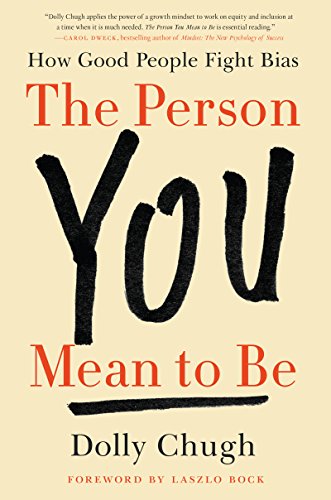
The Person You Mean to Be What Works: Gender Equality by DesignFeminism 101


This post contains affiliate links and The Invisible Mentor® may earn commissions for purchases made through links in this post. For more details see here. Thank you so much for your support!
