
This is Episode 3 of the new series, The One Problem. This week, Liz Kitchell from SheMoolah talks about money conversations and closing the wage gap.
My name is Avil Beckford, and I've launched a new series called The One Problem. I invite guests to talk about one problem they're passionate about and give us a solution to that, so all of us may learn today. My guest is Liz Kitchell from SheMoolah and I absolutely adore the name. So take it over, please.
Liz Kitchell: Thank you so much for having me. My cat joins me a lot, she loves these conversations as well. SheMoolah is reinventing the relationship between money and the women who make it.
Liz Kitchell from SheMoolah Talks About Money Converations
Liz Kitchell:
And I think it's really important that we take a look at the gender wealth gap. There's a lot of different things we know. Women typically make 70 cents on the dollar in the corporate world. When they're out on their own, and they're entrepreneurs, we're talking 30 to 40 cents on the dollar. And that is a huge gap. And then the ripple effect, that is truly amazing what happens. So research shows that women do not always take action until they feel like they're educated, and they have solutions in front of them.
And then they're willing to take some actions. And a lot of times it's because they're balancing competing priorities around money. So they need somebody to help them through the process that says it's OK to have these competing priorities and you're not the only one. And they often feel guilt and shame around that, because if they read a book or they're having a conversation with a financial adviser, they're going to say, oh, don't do that, do this. Without really, truly addressing the competing priorities and those emotions behind the money.
Oftentimes the strategy is to come up with a plan and that will remove the emotions. But what's really important is to understand the emotions and incorporate them into a strategy because they're an indicator. Emotions are really just an indicator of what's truly important, where you are, what's the perspective of things you're looking at with what excites you, what leads you to project, so we can learn to utilize that in a way it's very powerful.
Have you read?
The One Problem: Avil Beckford, Author of Digest 30 Books in 30 Days
The One Problem: Interview With Kelly Daring, Author of Is Love Enough
Liz Kitchell Interview
Another thing we're also noticing about money as we're getting out there and trying to help close the gender wealth gap is we're noticing that there's really three levels.
And women, when they feel safe and abundant, they're willing to invest in other women. But until that they're really just focusing on how do I survive, how do I create for my family. And it doesn't matter how much money you make. I know people that make $750,000 and are barely surviving.
And there are people that are really in a safety mindset that make a whole lot less than that. So when we're in barely surviving, we feel like life is happening to us and we have no control of our money.

So there's a couple of things we need to do to take some control. We need to just pay a little attention to it, say, how am I spending my money? Is it leaving me in a position of feeling rejuvenated or is it leaving me deprived? If it's leaving me deprived, we kind of have to understand what's going on there. Maybe everything you're spending money on is on essential things, we might not be making enough money based on what's going on.
That's kind of like a foundation to helping people get out of that, barely surviving into a safety area. Once people are safe, then we can help them start dreaming and saying what's important here, how can we help you get there? Let's think differently. There's more than one way. So if we can start to tear down the walls, that money conversations have to be done with just a money coach and just a financial adviser or whoever else or an accountant.
And we start to come together and share some of our successes and talk about things like how much money you make. I might be under earning. I need to understand. Am I charging my worth? When we can start to do that, I think we all win. So how do we even do that? How do you have these money conversations? It's so easy when we start, have many conversations to build, a lot of guilt or shame.
It's about creating a safe place and knowing that we all have something that's in our past that is in the present moment, that doesn't serve us anymore. Maybe a story. It might be a perception. It could be something that worked for us at one part of our life. But it doesn't work anymore. It was the defense strategy we needed when we were fifteen or twenty-five, but we no longer need it at our current age. So we have to see the problem first before we can break it and change it.
And a lot of times we don't see that until we're trying to create something new. So there is a way to create a safe space and allow people to go into a place of discovery and saying, you know, what is it you're looking to really create your life? And what are you the opportunity? And what's keeping you from doing that and so many times money is a motivator.
I can't leave my corporate job because I make too much money. There's no way I could replace that income on the outside. But we all have that conversation of who we are, the values that we hold in life and the role that money plays. And if we can learn to start having these conversations, we realize we're all kind of there. We're just coming about it from different angles. And if we can all move to a place of safety, to thriving, we can lift each other up and we don't have to worry.
You know, 30 cents on the dollar will be charging a whole dollar, just like our counterparts and the men out there who are doing it confidently. So that's kind of like one of the things the problems in this world is removing the guilt and shame around money. You know, money is a measurement of past perceptions and mindsets, and there's lots of different things out there.
But there's a starting point of today of where we can create something new moving forward. That's what I see.
Avil Beckford: Yeah, this is fantastic. And thank you so much. This has been great.
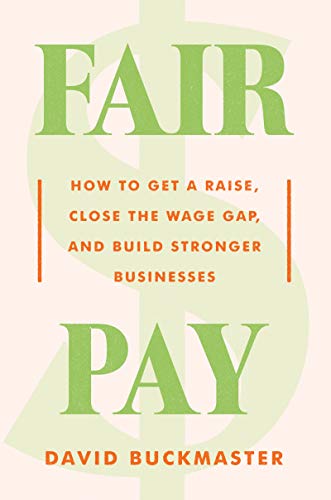
Ladies Get Paid Fair PayThe Cost of Being a Girl


If someone clicks on a link and buys something from Amazon, the company will pay me a small commission.
