
Can creating a mentoring network grow your career?
Introduction: Creating a Mentoring Network
The world of work is changing at a dizzying pace. The way we perform our work is also changing. Automation and other technologies are contributing to a lot of the changes. And the pace of automation will continue to accelerate. The global pandemic is also a contributing factor to the many changes in the workplace in 2020. The concept of mentoring is changing. And why wouldn’t it? Because of flattened organization structures, employees are expected to do more with less resources, resulting in less resources for mentoring programs.
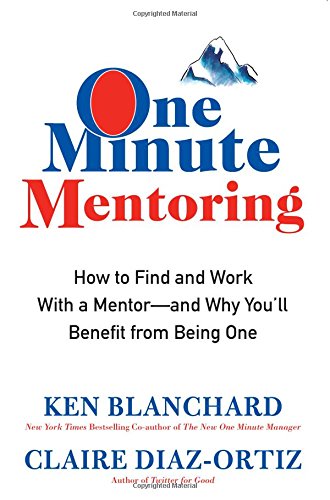
Forget a Mentor, Find a Sponsor The Sponsor EffectOne Minute Mentoring


Although both mentors and mentees benefit from mentoring programs, it can be disastrous when people are forced into these programs. People have to be given the choice whether they opt into such programs. Welcome to the age of the Mentoring Network!
What is a Mentoring Network?
According to Randall P. White:
- “A diversified portfolio can cover a fuller spectrum of mentoring needs.
- Different mentors bring different ideas.
- Guards against a single vested interest by a mentor.
- One mentor cannot sustain a whole career.
- A mentoring network can create an alliance of resources across levels, business units, and over time.”
Source: Dr. Randall P. White, Founding Partner, Executive Development Group LLC
A mentoring network is like having a personal board of advisors that you can call on for different types of advice.

Traditional Mentorship Program:
In this type of mentoring program, an older, more experienced mentor, supports the less experienced mentee, to help and support her career. Studies by Catalyst reports that having a sponsor is more beneficial to a woman, than a mentor. The difference between a sponsor and a mentor is that the sponsor usually chooses the mentee, so you have to find a way to gain their attention. The book Forget a Mentor, Find a Sponsor offers some contrarian advice.
In the book, the author, Sylvia Ann Hewlett says that,
“Mentors give, sponsors invest.”
she adds that,
“Mentors may pick you, but you pick your sponsors by committing yourself to their best interests.”
When faced with contradictory advice like the above, two different views, you have to decide for yourself what to believe.
Traditional mentorship/sponsorship programs are beneficial to a mentee because the mentor/sponsor is able to prepare the mentee to advance within the organization via:
- Opening doors.
- Providing challenging and stretch assignments.
- Protecting them.
- Offering exposure and visibility that can make a difference in a career.
- Role modeling of appropriate behavior in the workplace. This is way to quickly learn the unwritten rules inside an organization.
These are the elements that employees need to succeed in the workplace. But this kind of mentoring program is more exclusive and elitist, and not many people within an organization will be able to participate.
Have you read?
Forget a Mentor, Find a Sponsor: The New Way to Fast-Track Your Career by Sylvia Ann Hewlett
One Minute Mentoring by Ken Blanchard and Claire Diaz-Ortiz, Review
For other mentoring models, please read “Adventures in Learning: DIY Mentoring Program, Episode Two.” The issue with the other types of mentoring programs, is that even though they yield many benefits, they are not the ones mentioned that are critical to success. With the other mentoring models, you have to work harder to achieve success in the workplace. But the good thing about these models is that they are less exclusive and more people can participate.
Components of Great Mentoring Relationships
For any mentoring relationship to work, the right match is important. A good mentoring match involves:
- Chemistry
- Common factors/interests/styles, so mentor/mentee can connect
- Timing
- Negotiation skills
- Working through power and control issues
- Trust
- Respect
- Commitment
- No political agenda on the part of the mentor
At the beginning of the post, I mentioned that mentoring programs are changing, and they should. Today, we have a mentoring network. The aim of this type of mentoring, is to get more people involved. Many people have recognized that one mentor is not enough, because he or she cannot support you in all the ways you need to achieve success, therefore a mentoring network is the answer.
Have you read?
Creating a personal advisory board
Joy of Six: the six secrets to running a successful business
Adventures in Learning: DIY Mentoring Program, Episode Two

Final Thoughts: Creating a Mentoring Network
As I mentioned before, a mentoring network is like a personal advisory board. Because I am an entrepreneur, I am focusing on advisory board/mentoring network form of mentoring programs. I have already written about this, so please read the following. Can creating a mentoring network help you to grow your career? Absolutely, if you choose the right people.
If you decided to create a mentoring network, who would you want in it? What type of people would best support your career right now? One you've answered this question, LinkedIn is a great place to conduct research to find people who could potentially be in your mentoring network. Make sure that you include people both inside and outside your organization.
Mentorship Reading List
Tribe of MentorsOne Minute MentoringGetting There: A Book of MentorsThe Outsiders
If someone clicks on a link and buys something from Amazon, the company will pay me a small commission. UPDATE: First Published in November 2015.
