
How to Manage a Project: Lessons from the Virtual Literary World Tour
As you know, I decided to launch the Virtual Literary World Tour. During the project I knew that I was in trouble because of the various issues that I was facing. I had two options in my opinion – stop the project and restart at a later date when I had all the issues worked out, or complete the project, acknowledging the issues. I completed the project knowing that I would have to repeat the Virtual Literary World Tour and incorporate all the lessons I have learned. I kept on hearing Seth Godin say that version 1.0 doesn’t have to be perfect, so I took his advice, kept track of all the issues, and now I am working on version 2.0, the improved Virtual Literary World Tour. 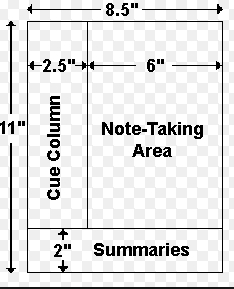
Issues with the Virtual Literary World Tour 1.0
- I did not conduct enough upfront research, which was a deliberate choice because I knew that if I conducted too much research on must-read books I would have refused to read some of the books because they cover subject matter that I wasn't interested in. However, more research would have alerted me to the fact that In Search of Lost Time by Marcel Proust is actually six books, Robert Musil's The Man Without Qualities are three books, and the Complete Essays of Michel de Montaigne is over 1,300 pages long.
- Most of the books I selected for the Virtual Literary World Tour were too long – over 350 pages – so there was no way I could have read all the books in four months. People who have read a book a day for 365 days usually read books that are under 300 pages. In fact, most of the books are under 250 pages.
- I had a wonderful idea of blending disciplines, but I didn’t test the idea before embarking on the project. When I selected the books, before I started to read them, I should have gathered the information on events that were happening while the author was writing the books, and gathered basic information about where the authors were born.
- I made the project more complicated that it needed to be, which confused me. An example is while conducting basic research on how to blend literature and technology, I learned about Google Lit Trips, which is a novel idea. But a Google Lit Trip is essentially using Google Earth to map the locations in novels. I wasn’t doing that, I was creating my Virtual Literary World Tour based on where the authors were born, so all I needed to do was learn how to use Google Earth.
- I created a Google Earth tour but couldn’t embed it into a blog post and after several hours decided to give up. I took the course Google offered on Google Maps and Google Earth and I learned how to embed a Tour, except when I tried to embed the Tour, it no longer worked. I must have deleted something.
Murphy’s Law states that if anything can go wrong it will. But that doesn’t mean that you should give up.
How to Manage a Project: Virtual Literary World Tour 2.0
Based on what I have learned from running the Virtual Literary World Tour 1.0, here is what I recommend:
- Make a list of books that you would like to read. Make sure the books are diverse by genre, culture, gender and so on.
- Research the books and their authors, and write a one paragraph summary of what you discover for both. If you want to also blend history and geography, gather information on the place where the author was born, and also look at world events that were happening while the author was writing the book.
- Select the books that you would like to read for your Virtual Literary World Tour, and select the sequence in which you will read them. Do not read two “heavy” books right after each other.
- Choose when you will start to read the books and schedule your reading time.
- If you intend to map the Tour in any way, learn how to use Google Maps and Google Earth.
- Read the books on your list, and use the Cornell Note Taking System to capture the important points in each book. Add your thoughts, impressions and reactions to each book in the template.
- After you have read all the books, in one sitting, read all the notes that you have taken for the books you have read – take a break and let the information simmer for a while. This is where the real benefits are to you for reading so many books. You will generate amazing ideas and insights. Looking at all the books in relation to each other is a powerful exercise.
Please let me know your thoughts in the comment box below. If you have other ideas, please let me know that as well. This project management process can be used on other projects as well, you just have to customize it.