
The Art of Selling Yourself covers many of the ways you use selling in business and on the job.
Introduction to the Art of Selling Yourself
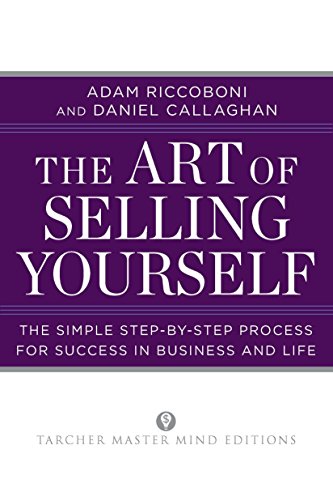
The Art of Selling Yourself The Art of Selling Yourself had some very good points that I found helpful and a great reminder. However, it’s not for veteran salespeople, and it doesn’t go deep enough. It’s a good primer for professionals just starting out. The book presents a 10-step process – a chapter for each step. There is a case study in each chapter, which is used to cement the steps. The case studies are of very high profile people like Richard Branson, Oprah Winfrey and so on.
Like everything in life, the people profiled was like a double-edged sword. Yes it was great to read about these luminaries. But I often did not find their situations relatable. Other people may have a very different experience from me. Another thing I wanted to point out is that I found the language odd and it took some time getting used to. One example is “How are you impacting you?” I don’t know about you, but I found that very odd.

The main idea in the book is that selling yourself is the key to success. You need to convince others to “buy you.” I completely agree with this sentiment.
You need to sell yourself to:
- Win a client.
- Manage teams.
- Establish strategic partnerships.
These are just a few examples. Take some time to write down situations where you have to sell yourself.
Leaders have to sell their:
- Values
- Vision
- Strategy
The Art of Selling Yourself promises to help you gain more confidence, recover quickly from setbacks, take control by letting go, and to network effectively. Before you embark on the journey of selling yourself, ask the following three questions.
Have you read?
Sell It Like Serhant by Ryan Serhant, Summary
The Art of Selling Yourself: 3 Questions
- Do people recognize your full potential when others meet you?
- Are all your qualities truly utilized at work?
- Are you having the impact on your life that you aspire to?
Summary: The Art of Selling Yourself
As I mentioned in the Introduction, selling yourself is the key to success. You need to convince others to “buy you.”
Step 1: Self-Belief and Confidence
To sell yourself you have to believe in yourself and have self-confidence.
- Where do you want to go in life?
- What are your unique strengths? List your top five qualities.
- What are your business values? List top five business values.
Define Your Unique Selling Proposition (USP)
Think of your main achievements and experience in the workplace. Write in the present tense. For example: I implement systems at work because of my strong organizational skills. Choose your top five USPs.
Project a positive body language. Do you exude confidence? Make eye contact, smile warmly, and stay calm under pressure.
Step 2: Personal Preparation
Preparation is crucial to business success. And it is very unprofessional to show up at a meeting unprepared.
“Success is where preparation and opportunity meet.” Bobby Unser, American Car Racer
Pre-sales Preparation
Analyze the market: The one you want to sell in to understand ideal clients.
Research includes:
- Overall industry – is the market growing or shrinking. Challenges to companies.
- Primary players – key companies and institutions.
- Sector most suited to your services – which companies need your services the most.
- What executives are most appropriate to target?
3 Phases to Market Research
- Desk-based Research: Internet, read books, commercial databases.
- Validation of findings through interviews. Test the ideas from research.
- Conclusions and recommendations. Update the desk research with the interviews.
Conduct Company Research
- Company website.
- Services it provides.
- Competitors.
- Key Executives.
Research Pitch
- What’s the person’s role in the organization?
- What pressures are they likely facing?
Use References
- Experience in the industry.
- Problems or issues facing.
- How you solved it.
- Outcome.
You can use this information when looking for a job. Create a value proposition, write your pitch. Get information from contacts. Write your pitch.
Structure of a Sales Call
- Give your name and company you work for.
- Ask if they have a moment to speak.
- Give a succinct elevator pitch.
- State your value proposition, the benefits of what you're selling.
- Give references.
- Ask if what you said could be of interest to their company.
- Ask for a convenient time to meet and discuss the offer.
Structure of the Email
- Dear Name of Person.
- I would like to present, summarizing your value proposition.
- Name the opportunity to the company, use the company name, so the email is not discarded.
- Elaborate on the pitch, including resources, process and amount of time it will take.
- Give at least three similar projects done in the client’s industry.
- Attach a more comprehensive presentation with the email.
- State you’re available to provide help or meet to discuss.
- Add contact details. Ask clients preferred mode of contact.
- Add an email signature that demonstrates your credibility and expertise.
Step Three: Personal Presentation
People like to do business with people who are already successful.
Richard Branson's Values Rest on Five Main Pillars
- Value for money.
- Good quality.
- Brilliant, customer service.
- Innovation
- Competitive challenge and fun.
Be a lifelong learner now.
Step Four: Communication
Listen, read between the lines, and hear what's not being said. Understand verbal, non-verbal, visual, and written communication.
Structure the Discussion
Oprah endears her audience and the people she interviews incorporating the elements below.
- Openness: Shares her experiences to draw people in.
- Frankness: Her honest style increases her credibility.
- Authenticity: Her body says a lot.
Step Five: Empathy
Selling yourself is not only about you. You have to understand the other person. Empathy and emotional intelligence is important.
5 Component Skills of Emotional Intelligence
- Self-awareness: This is about you. It’s understanding yourself and your ability to accurately perceive your emotions in the moment. And understanding your strengths and weaknesses, and how these impact on others.
- Self-management: This also about you. It’s your ability to remain flexible and direct your behavior positively.
- Self-motivation: The ability to remain focused on goals despite setbacks. When you have a strong inner drive it’s hard to break your spirit or thwart your confidence.
- Social awareness—Understanding others. You possess compassion and understand human nature, which enables you to connect emotionally with others.
- Social skills—Managing others. The ability to deal with problems without allowing your own or other’s negative feelings to interfere.
Step Six: Under-Promise and Over-Deliver
Operate with honesty and integrity. When you under-promise and over-deliver you come across as being trustworthy and sincere. They provide true benefits such as:
- Enhanced trust,
- Long term relationships,
- Repeat business
Complete Projects Successfully
- Agree on deliverables.
- Assess the amount of work to be delivered.
- MECE – mutually exclusive and collectively exhaustive. Used to analyze a project logically.
- Focus on key elements.
- Identify quick wins
- Manage expectations.
When you are under promise and over deliver you have delighted customers. The case studies are good. Yet problematic you often cannot see yourself in the people profiled.
Step Seven: Going the Extra Mile
Doing what's expected is not enough. That's just a benchmark for the minimum. Add real value, and you do this by going the extra mile. Think different and take the initiative, be interesting, make money, deliver on promise, and be audacious.
Step Eight: Overcoming Setbacks
You’ll have to deal with adversity and failure. Bad things happen. You have economic decline and pandemics occur. Learn how to bounce back. Learn to expect the unexpected. Develop the mental attitude, find opportunities, learn from mistakes. Create an action plan, and pivot, if necessary.
Step Nine: Managing the Media
Develop an optimal promotion strategy to sell you. A carefully developed media strategy can help you and your business to develop a solid reputation. Traditional media is still important.
- Develop key messages.
- Plan your objectives.
- Use values to develop key messages that you promote to the media.
List key messages, get noticed and develop thought leadership. Have a presence on social media. Focus on your target audience. Have a unique selling proposition, position yourself, and network.
Get your message right.
- Industry experience
- Key activities
- Professional qualities
Analyze, adapt and improve.

Step Ten: Leadership
It is one of the most powerful drivers of human behavior.
Where will you lead people toward? Develop a shared leadership vision that’s
- Motivating: Descriptive of a future that stakeholders will want to be a part of.
- Realistic: Can be achieved.
- Flexible: Able to deal with different situations and scenarios.
- Communicated: Message must be clear.
- Shared: For the whole team.
Conclusion: The Art of Selling Yourself
The art of Selling Yourself is for people who are starting their careers and need guidance. It's not only for professionals who work in direct sales. We're all in sales. It could be a good refresher for some people. I found that I wasn't as engaged when reading this book as I was when reading other sales books.
The Art of Selling Yourself Sell It Like SerhantGap Selling


This article contains Amazon affiliate links, which means if you click on a link and buy any of the books or other products from them, the companies will pay me a small commission.
