
When you read books, are you on the look out for spotting patterns among the books you read?
Initial Thoughts on Spotting Patterns
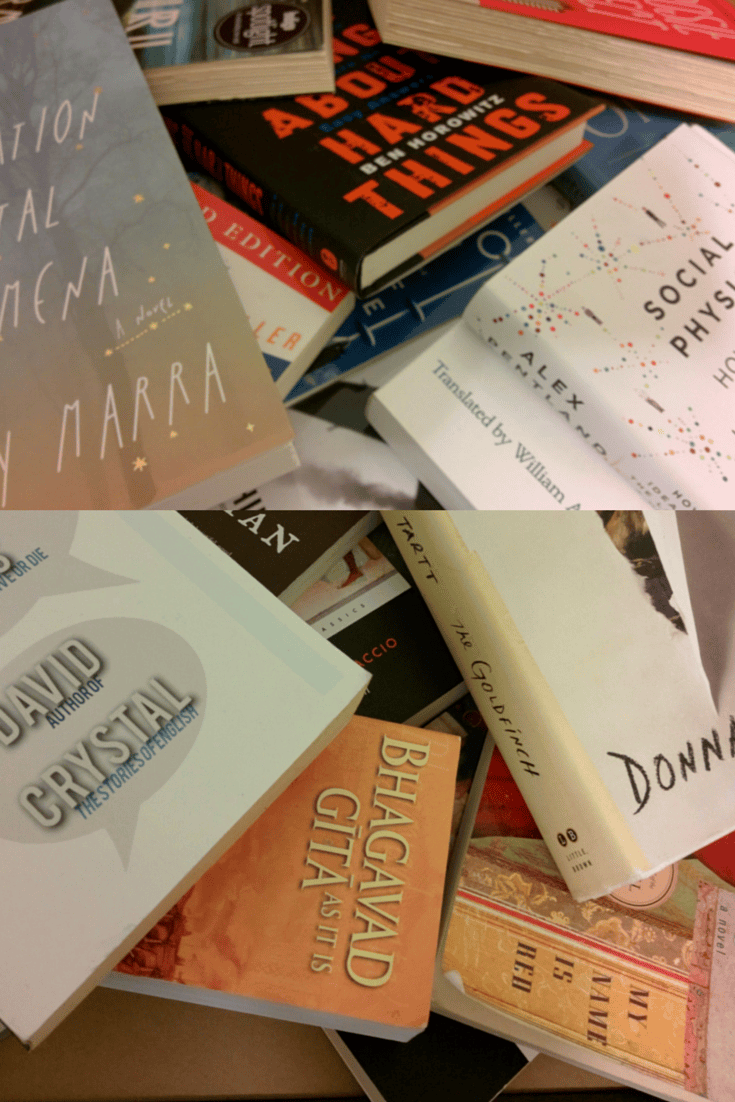
How do you get the most from the books you read? This is a question I have thought about a lot since I've been hosting The Invisible Mentor Reading Challenges. I believe that the best way to get the most from the books you read is by spotting patterns, and connecting the ideas from one book to another. That’s an interesting thought, but how does someone go through the process?
I find that hosting reading challenges stretches me. To do the job well, I have to create the right environment for others to get the most from the books they read. Before I hosted the first reading challenge back in 2015, I spent hours at the Toronto Public Reference Library researching how to spot trends. And I did not have much to show for my efforts. It was frustrating.
However, in my effort to do a good job of hosting the original reading challenge, it slipped my mind that spotting patterns are similar to analyzing information. I conducted research for several years, so I should know better.
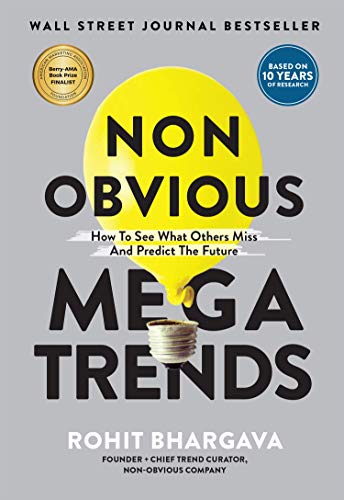
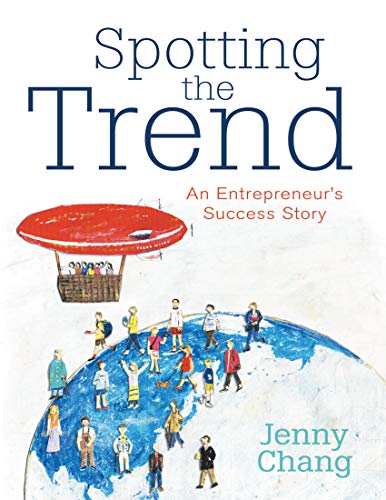
Non Obvious Megatrends Spotting the Trend: An Entrepreneur’s Success Story
Two Ways I Use to Spot Patterns
While reflecting on spotting patterns, it occurred to me that the process is easier if you take great notes while reading the books. Since 2004, when I first started to review and summarize books, I always had a section in the summary called Five Great Ideas. This is the section where I note information that struck me as interesting. If you extracted the great ideas from the books you read, when you review your notes, you will be able to connect the books that have similar ideas.
You can also spot patterns when you identify the major themes in the book. And there are times when you will notice themes while you are reviewing your notes.
For instance, I read The Invisible Man by HG Wells, and a few weeks later, I read The Whip: a novel inspired by the story of Charley Parkhurst
 written by Karen Kondazian. But it was after the fact I noticed that both books are about invisibility.
In the HG Wells’ book, the character uses chemicals to become invisible, while in Karen Kondazian’s book, the character becomes invisible by her choice of clothing.
Since originally writing this post, I completed several reading challenges I created and participated in to learn key skills to thrive and to amass a pool of ideas. Right now, in November 2020, I'm hosting Digest 30 Books in 30 Days in the Facebook Group, Reading Rocks: Read a Book, Discover Solutions, Change the World. You're welcome to join the challenge. You'll get support to complete the challenge if you're serious about achieving this goal.

Have you read?
Taking Better Notes – Learning to Abbreviate Words
To Remember More of What You Read, Take Notes by Hand
Tips on Note-taking: The Art of Writing While Listening
Book Reviews – The Invisible Man by H G Wells vs. The Whip by Karen Kondazian
Finding Themes in Great Literary Works
In the Great Courses, Life Lessons from the Great Books, Professor J. Rufus Fears, extracts six broad themes from great literary works that you can use as a guide to determine the theme of a book.
-
“The Unconquerable Human Spirit: Why can your spirit endure so much hardship without crumbling?
-
Youth and Old Age: How can you cope with the trials and tribulations of youth? Of old age?
-
Romance and Love: Why can love bring both pain and pleasure? How can you overcome heartache?
-
Adventure and Courage: How can you find the strength within yourself to face life's many challenges?
-
Laughter and Irony: How can humor help to console you in times of trouble? How can it offer us unique perspectives on horrible situations?
-
Patriotism: What is the true meaning of patriotism?”
The list of themes above, is only a guide because there are many more themes in books, but it’s a great starting point for you. I have not taken the course, Life Lessons from the Great Books, but I have taken, Books That Have Made History: Books That Can Change Your Life, another video course taught by the professor. Additionally, themes above are mostly for fiction.
Introductory Guide to Spotting Patterns among the Books You Read
- Read each book with a critical eye.
- While reading, keep the following questions in mind:
- What are some important themes?
- Are there any patterns?
- What are the key concepts?
- Are the concepts related?
- How can you rearrange the concepts?
- What information do you already know that you can add to the new information?
- Are there meaningful connections you can make with your existing knowledge with past experiences?
- What is being implied, but not explicitly stated?
- Sort information into parts which belong together.
- Integrate your notes.
- Each month, review your notes for each book you read.
- First look at the notes for each book, then look at them as a whole, that is, all the notes from the four books, what do you notice?
- Take note of similarities.
- Contrast information by setting two things in opposition to show the differences.
- Relate pieces of information to establish relationships between and among them.
- Combine contradictory pieces of information, what insights can you generate?
- What are the emerging themes?
- Identify gaps in the information, what assumptions can you make?
How Avil Used the Above Technique for Spotting Patterns
I'm creating a membership site. The offering is Bookish Notes. The first course is called Creativity, Innovation, and the Art of Getting Ideas. Each unit of the course is a bookish note based on a book on getting ideas. I hope to have the site live by next week. If you've been reading this blog for a while, you'll notice that I write a lot about creativity, innovation and ideation.
To analyze the information from the books I read on the topic, I used a sketchpad I bought from the Dollar Store. I needed a lot of space. I created six columns and two rows. In the top row, I jotted down the name of five books on ideas using a column for each book. I left the sixth column blank to write in what I discovered during analysis. For each book, I wrote down the idea model presented.
In the sixth column, I consolidated all the possible steps taken from the five models to create something new.
In the second row, I wrote the five great ideas from each book in their respective columns. Once again, I initially left the sixth column blank. The next step was connecting ideas among the books to make them bigger and better.
I wrote my observations in the sixth column.
At this point, the next step you'd do is to tie the elevated ideas to a human need. I wasn't in a position to do this right away because I need to repeat the process for more books on ideas. At that point, I will tie them to a human need or hot button.
Not every book you read will have a model, but it may have a process for doing something. The process may not be presented in a straightforward manner, so you may have to generate it for yourself. But, it's something worthwhile for you to do. And it adds to your understanding of the book.
 Final Thoughts on Spotting Patterns
Spotting patterns in the books you read takes practice. But if you follow the process outlined above, it becomes easier. Imagine the possibilities if you frequently review your notes of the books you read. What would it be like if for one month you only read books that allow you to develop new skills and knowledge, enabling you to perform your job more effectively?
And what would happen if you reviewed your notes for each book in relation to each other? I am sure you would discover new ideas that you would not have seen otherwise. In another post, I will delve further into spotting patterns.
Have you read?
Non-Obvious: How to Think Different, Curate Ideas and Predict the Future by Rohit Bhargava
How to Spot Great Ideas During the Strategic Reading Challenge
Non Obvious MegatrendsSpotting the Trend: An Entrepreneur’s Success StoryThe Next Big Thing: Spotting and Forecasting Consumer Trends for Profit
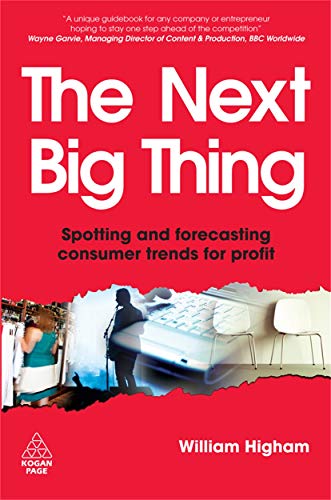
If you click on one of the link below and buy any of the books, Amazon will pay me a small commission. UPDATE: First Published in January 2015
