
Introduction: The Angel Inside by Chris Widener
The Angel Inside The Angel Inside is a fun, yet thoughtful book that you can read in about an hour. This book is in the form of a fable, which makes it very easy to read. While reading The Angel Inside, I was processing the information presented and looking at ways to relate it to my life. The book is about finding that person of power and beauty, which is within every one of us.
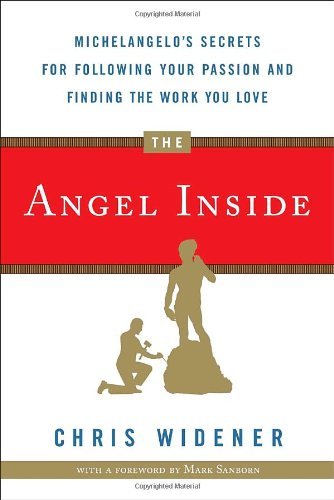

What is The Angel Inside by Chris Widener About?
The book starts off with a very disillusioned 30-year old Tom Cook, who travels from the US to Europe to find himself – to look for a new direction for his life. Back in the US, Tom was living an unfulfilled life. He was working in a job which he hated, trying to make his father proud of him. He was desperately trying to please his father.
The day before his return to the US, he is sitting on a bench in Florence feeling forlorned because he hasn't found what he was searching for. A stranger, who looks to be in his seventies, and much later revealed as Mr. Bounarroti, enters his life and changes it forever. This stranger parachutes into Tom's life and uses sculpting and Michelangelo‘s David – Il Gigante to teach him lessons in life and help him to find his way.
The stranger takes Tom to the Galleria dell' Accademia to view Michelangelo's sculpture of David. Tom learns the following life lessons:
10 Life Lessons Learned
- Find the angel inside you
- Follow your own passion
- Be confident in your strength
- Pay attention to details, you'll discover beauty
- Your hands can create what your mind conceives
- Plan and prepare
- Every accomplishment starts with one swift action
- Embrace the stages of chipping, sculpting, sanding and polishing
- Be content because success sometimes takes years
- No one starts with the Sistine Chapel (Small successes lead to greater successes
Chris Widener uses sculpting as a metaphor for life in his fable. To expand on lesson eight, first, you have to chip away or get rid of what doesn't work in your life. Second you have to sculpt or mold your life the way you want it to be. Third, adversity and negative circumstances often sand away the rough spots in our lives, which strengthen us and allow us to grow. And fourth, polishing allows our power and beauty to shine through.
The stranger instructs Tom and tells him
“The tools of a sculptor are few, but the tools for sculpting a life are many. We are a product of the things that we allow to shape and influence our lives. Everything that we interact with will shape and mold whom we become. This includes both what we choose to involve ourselves with as well as what we choose to not involve ourselves with… Our business associates and our friends are people who we can choose at will. We should choose these people wisely for what they will help us become.”
Five Great Ideas from The Angel Inside
- People often have so much invested in what they are currently doing that they cannot start to live and fulfill their dreams.
- Fear often prevents us from taking the first step.
- Books give us the ability to converse with the author.
- Have a network of people around us who act as a springboard to a better life.
- Most people cannot create or accomplish great work that's lasting until they have gone through the process of growing and learning from their experience.

Final Thoughts: The Angel Inside by Chris Widener
The Angel Inside makes you think about how you can improve the life you’re living now. How can you chip away the things that no longer serve you or are good for you. What would living a life on purpose look like for you? Find the angel inside of you. Think about Michelangelo, he removed the unwanted pieces to come up with the masterpiece David. Look at your own life, what resources do you have access to, that if you removed some parts, would be the masterpiece in your life? Have the courage to lead the life you want.
The Angel Inside Twelve PillarsHow to Talk to Anybody, Anytime, AnywhereThe Art of InfluenceAbove All ElseThe ImageYou Reap What You Sow Success
This post contains affiliate links and The Invisible Mentor® may earn commissions for purchases made through links in this post. For more details see here. Thank you so much for your support! First published October 2009.
